Bilans d’évènement
Coface brought together economic experts and business leaders to discuss the future of world trade and Bulgaria’s place in it
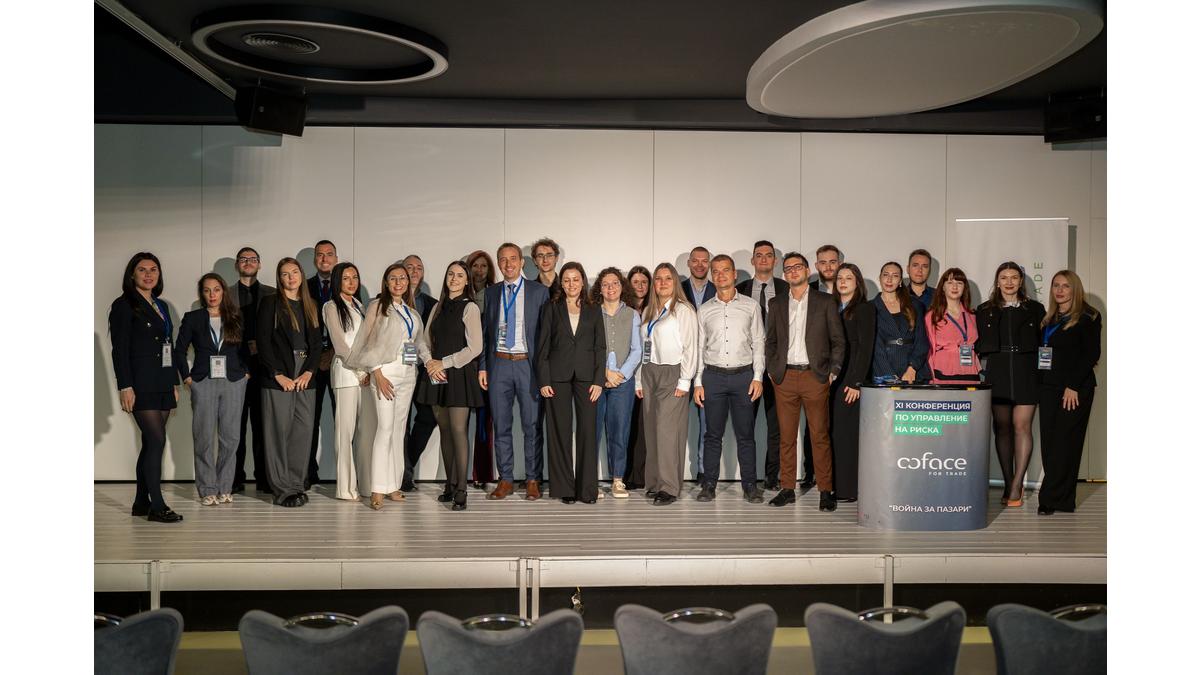
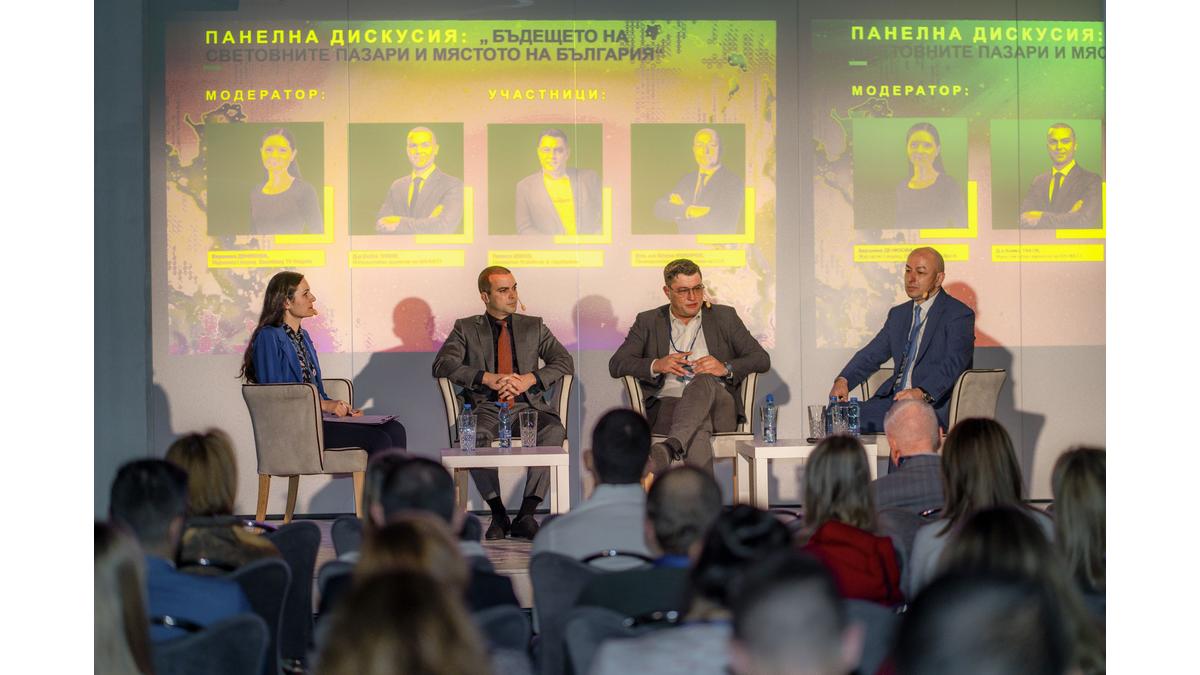
The XI Coface Risk Conference focused on global competition, the reshaping of markets and the challenges facing Bulgarian businesses.
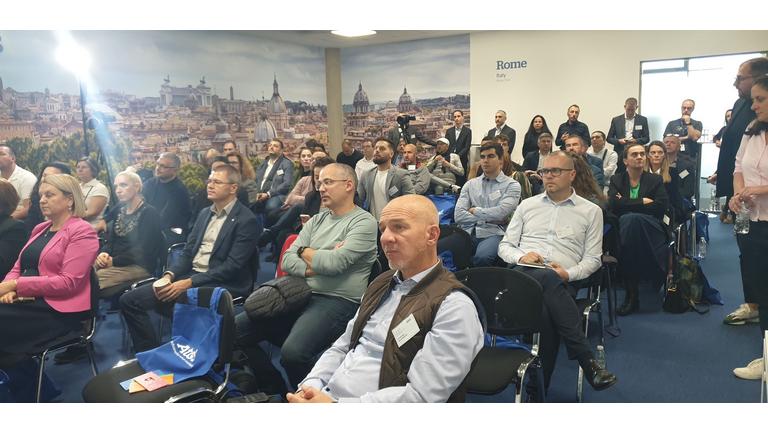
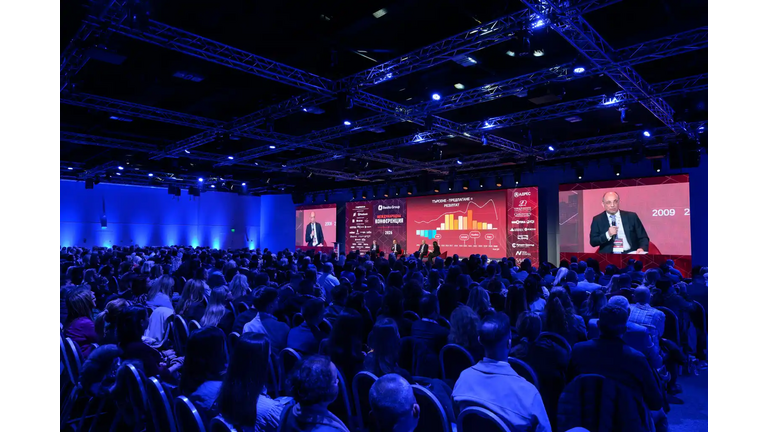
Sofia, 30 October 2026 The changing rules of international trade, intensifying competition for markets and resources, and the need for new approaches to risk management were among the main topics at Coface’s XI Risk Conference, held in Sofia on 28 October. Under the theme “War for Markets”, the event brought together representatives of the business and financial sectors and the expert community to discuss global economic developments and their impact on Bulgarian companies.
The conference focused on the new environment for international trade, in which tariffs, sanctions and protectionist policies are changing the terms of competition, while access to technology, capital, energy and raw materials is taking on increasing strategic importance. Against this backdrop, participants examined the challenges facing companies and the opportunities to adapt to rapid changes in global markets.
The event was opened by Plamen Dimitrov, Country Manager of Coface Bulgaria, who explained why the conference theme was “War for Markets”. “Why did we choose ‘War for Markets’? Because today companies compete on more than price and quality. They compete for capital, people, technology and access to customers. Geopolitical decisions are increasingly becoming trade decisions. We cannot eliminate this uncertainty, but we can learn more about it and make better decisions.”
Plamen Dimitrov also outlined the main steps he believes Bulgaria needs to take to become more prosperous. First, productivity: skills, organisation and automation. Second, innovation and technology that turn knowledge into products. Third, more companies with the ambition to become international leaders. And fourth, a predictable environment and education that prepares young people for the economy of the future.
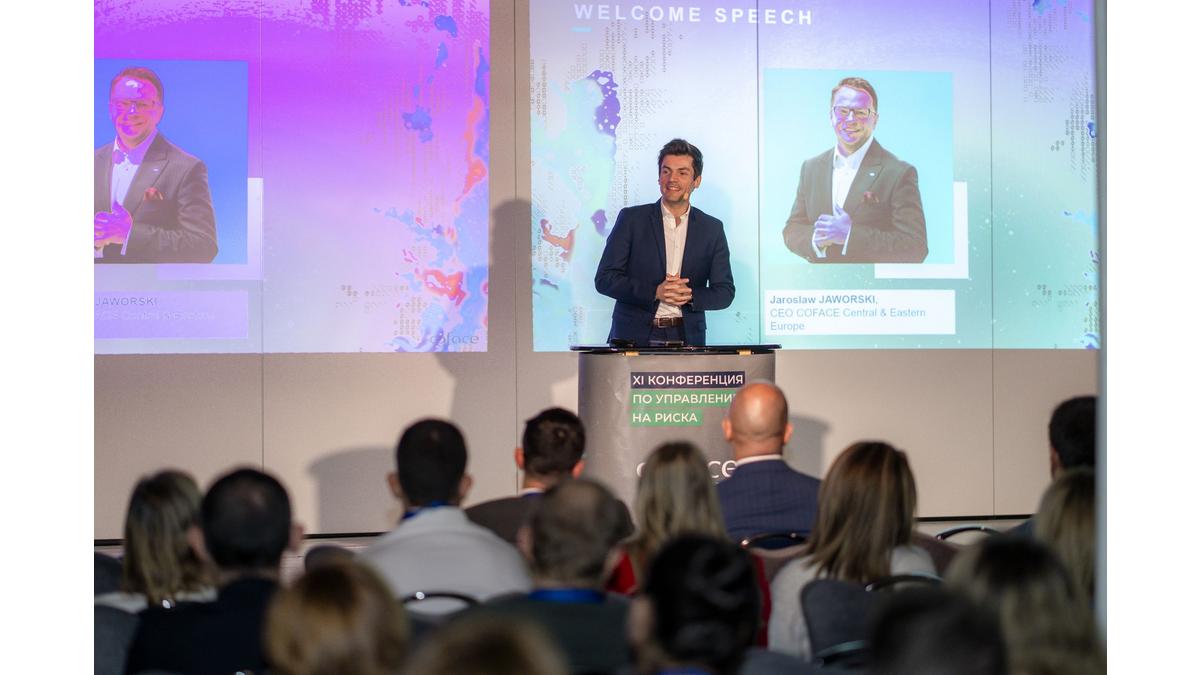
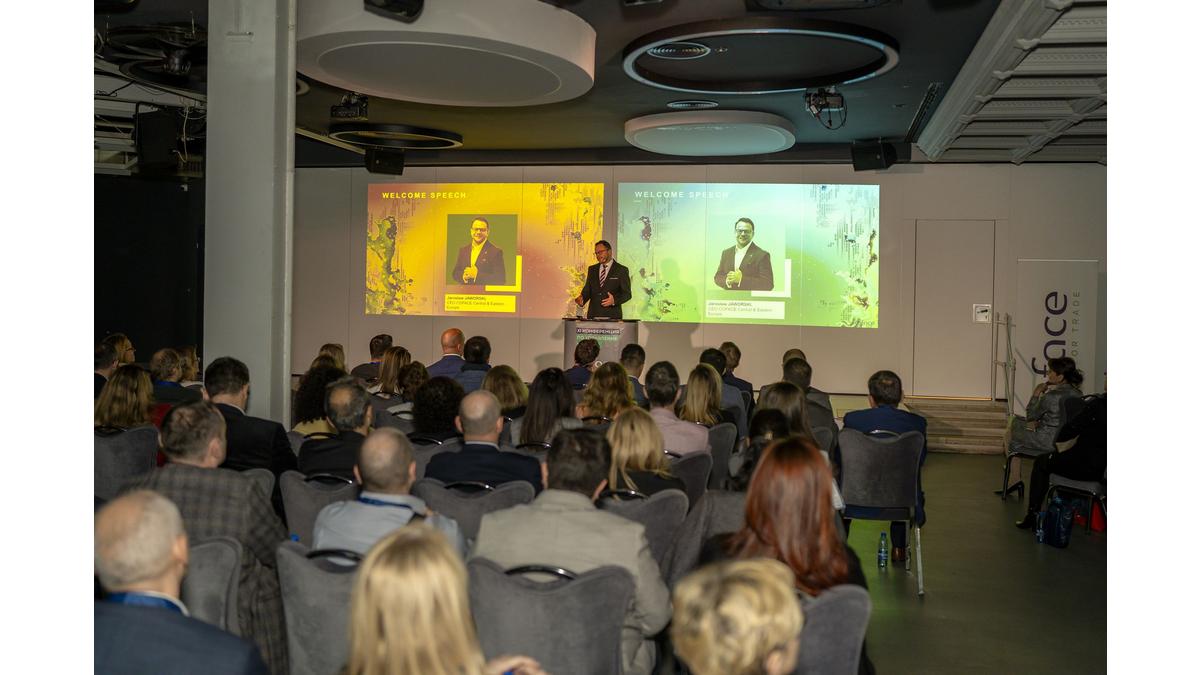
The event’s special guest, Jaroslaw Jaworski, CEO of Coface Central and Eastern Europe, also delivered a welcome address. He drew attention to how geopolitical tensions, tariffs, protectionism and changes in supply chains are reshaping access to markets.
“For a small country like Bulgaria, with its open, export-oriented economy connected to international markets, events beyond its borders are quickly felt in its business climate,” commented Jaworski.
Global risks and their impact on business
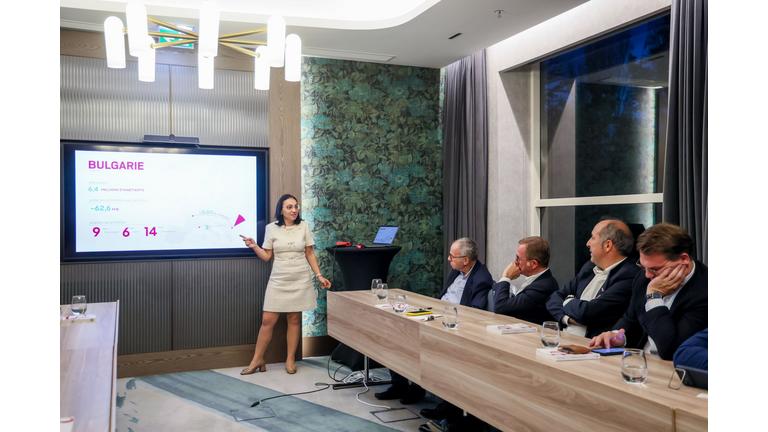
An international perspective on developments in the global economy was presented by Bruno de Moura Fernandes, Head of Macroeconomic Research at Coface Group. In his presentation on country risks, he examined the main economic and geopolitical factors affecting international markets and trade relations.
Fernandes said that natural gas stocks in Europe are at historically low levels, which could cause prices to rise sharply this winter, particularly if weather conditions are unfavourable.
He also noted that energy-intensive sectors have not managed to recover despite government support.
“Despite the slight acceleration in Germany’s GDP growth since the end of 2025, the manufacturing sector shows no real signs of a broad-based recovery,”Bruno Fernandes pointed out.
Bulgaria in the new global competition
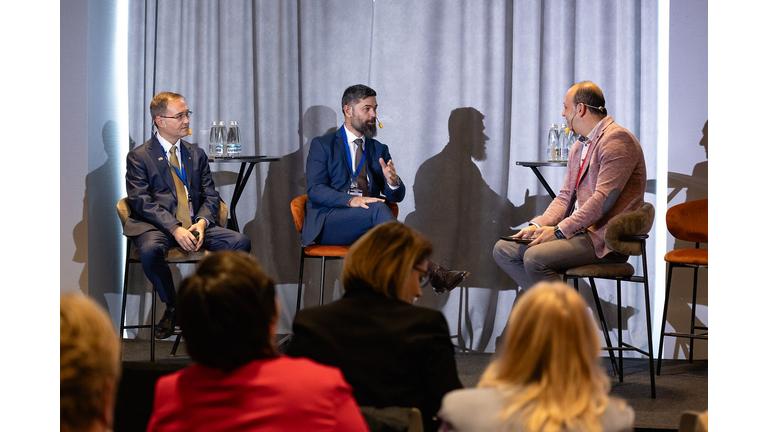
A central part of the programme was the panel discussion “The Future of Global Markets and Bulgaria’s Place in Them”, moderated by Veronika Denizova, an economic journalist and television presenter at Bloomberg TV Bulgaria. Participants discussed the prospects for the Bulgarian economy amid growing international competition and opportunities to improve the country’s position in global markets.
The discussion featured Dr Boyko Takov, Executive Director of the Bulgarian Small and Medium Enterprises Promotion Agency; Plamen Tsekov, founder of Scalefocus; and Associate Professor Shteryo Nozharov, PhD, Secretary General for Budget and Finance at the University of National and World Economy (UNWE) and a member of the Sofia Industrial Association.
Dr Boyko Takov discussed the competitiveness of Bulgarian enterprises and opportunities for business development in international markets.
“In every sector, there are companies that are doing well, and others that are struggling and dropping out. The future belongs to adaptable companies.”Dr Takov added: “With protectionism across the world, we have an opportunity to look inward and consider the prospects and opportunities available to companies in Bulgaria.”
Plamen Tsekоv emphasised the role of technology and innovation in companies’ development and their ability to adapt to changing market conditions.
“IT activities are moving to other countries, and this is linked to automation, artificial intelligence, the tax burden and inflation.”Tsekov stressed: “A stronger focus on productivity is needed. But the transformation in this sector is substantial – some companies are shrinking, while new players are emerging.”
Associate Professor Shteryo Nozharov, PhD presented his view of the challenges facing the Bulgarian economy and the factors affecting the country’s long-term competitiveness.
Associate Professor Nozharov, PhD said: “A key issue is the limits we can maintain with regard to artificial intelligence – and this creates uncertainty.” He added: “Unfortunately, as a country, we are attractive neither to high value-added investments nor to low value-added ones. This could be a factor in instability.”
The discussion highlighted adaptability and productivity as important factors for companies’ development amid protectionism and technological change. Takov drew attention to the prospects for companies in Bulgaria and the expectation of a major Chinese investment; Tsekov focused on IT activities moving to other countries and the sector’s transformation; and Nozharov on the country’s attractiveness to investors and the uncertainty surrounding artificial intelligence.
Digital sovereignty as a factor in competitiveness
A special focus of the programme was a lecture by Michail Petrov, CEO of Kaufland Bulgaria, on “Digital Sovereignty”.
“Sovereignty over data and communications. Serious dependence on American data operators. To some extent, this is a problem,” commented Michail Petrov.
With its XI edition, the Coface Risk Conference continued to provide a platform for exchanging expert views and discussing global trends through the lens of the challenges facing Bulgarian businesses. The forum is part of an international series of conferences that has been held in more than 20 countries for nearly three decades.